
Last updated September 25, 2026
Seasonal ADU Care for Thousand Oaks: Year-Round Homeowner’s Guide
The most expensive ADU repair we’ve documented in Thousand Oaks wasn’t from fire damage or foundation failure. It was a $14,000 mold remediation in a two-year-old detached unit caused by water that entered through a gap in dried-out flashing during the first November rain of 2022, then sat undetected behind James Hardie siding for four months. The homeowner followed a generic quarterly maintenance checklist. What they missed: Thousand Oaks’ Mediterranean climate creates a specific vulnerability window when drought-shrunk soil rehydrates and building materials that contracted over six dry months suddenly expand against seals that haven’t been stressed since March. This guide maps the actual maintenance calendar that Thousand Oaks ADU owners need, built around the two six-week windows - October pre-fire-season and March post-rain - when most consequential inspection and weatherproofing work must happen.
Quick Answer
ADU maintenance in Thousand Oaks follows a two-peak calendar: October fire-hardening for Wildland-Urban Interface requirements and March envelope audits after the compressed wet season ends. Most ADU owners should plan two major inspection cycles annually, with lightweight quarterly tasks in between. The cost of missing either peak window typically runs $3,000-$14,000 in deferred-damage repairs, versus $200-$600 in preventive inspection and materials.
Table of Contents

- October Fire-Hardening Checklist: WUI-Adjacent Thousand Oaks Parcels
- March Post-Rain Envelope Audit: The Critical 72-Hour Window
- Summer HVAC Efficiency for Ductless Mini-Split Systems
- Annual Permit-Compliance Items That Double as Maintenance
- What Homeowners Can Document vs. When to Call a Licensed Contractor
- Year-Round Light Tasks: The Between-Season Schedule
- Prefab and Modular ADU Considerations
- Common Mistakes to Avoid
- When to Call a Professional
- Frequently Asked Questions
October Fire-Hardening Checklist: WUI-Adjacent Thousand Oaks Parcels
Thousand Oaks sits within Ventura County’s High and Very High Fire Hazard Severity Zones, and most ADU parcels fall under Wildland-Urban Interface (WUI) regulations that are stricter than standard California Building Code. October is not when fire season starts - it’s your last reliable window to harden structures before Santa Ana winds arrive.
We’ve permitted and built over 900 ADUs since 2015, and the pattern is consistent: ADUs that pass October inspection without issues rarely require emergency remediation. Those that don’t, often face mid-season contractor shortages when demand spikes.
Ember-Resistant Vent Inspection
California Building Code Section 704A requires ember-resistant vents on all new construction in WUI zones. For existing ADUs, this means:
- Remove vent covers and photograph mesh condition - you’re looking for corrosion, gaps larger than 1/8 inch, or missing fasteners
- Check that vent openings are screened with 1/8-inch noncombustible corrosion-resistant mesh, not standard insect screen
- Verify eave and soffit vents are intact; embers enter through gaps as small as a pencil eraser
- Document with dated photos - this becomes your compliance record if Ventura County Fire requests it
In our experience with new detached ADUs in Thousand Oaks, ember-vent failures cluster in two areas: garage conversion ADUs where the original garage venting was never upgraded, and prefab units where transport vibration loosened fasteners before final inspection.
Defensible Space Clearance Distances
Ventura County requires 100 feet of defensible space from structures in State Responsibility Areas. For ADUs on typical Thousand Oaks lots, this often means the ADU’s Zone 0 (0-5 feet) and Zone 1 (5-30 feet) overlap with the primary residence’s requirements. Specific October tasks:
- Clear all leaves, needles, and debris from gutters, roof valleys, and flat roof areas - we photograph this on every October visit
- Remove woody vegetation within 5 feet of ADU walls; replace with gravel, concrete, or irrigated herbaceous plants
- Trim tree branches to maintain 10 feet of vertical clearance from chimney or stovepipe outlets
- Move firewood, propane tanks, and combustible storage to Zone 2 (30-100 feet) or beyond
The 2025 Woolsey Fire burn perimeter reached within two miles of central Thousand Oaks. Homes with maintained defensible space and intact ember vents survived at measurably higher rates - this isn’t theoretical for our clients.
Roof Debris Removal Timing
Flat or low-slope ADU roofs common on garage conversion ADUs in Thousand Oaks collect debris that standard roof pitches shed. October removal matters because:
First, accumulated organic material holds moisture against membrane or modified bitumen roofing through winter, accelerating deterioration. Second, dry debris becomes ignition fuel when Santa Ana winds arrive. We schedule debris removal in the third week of October, after the last typical heat wave but before the first significant rain.
For Tuff Shed and similar accessory structures converted to ADUs, check specifically at panel seams and around penetrations - these are manufactured tight, but thermal cycling in Thousand Oaks’ 40-degree seasonal temperature swing can open gaps over five to seven years.
March Post-Rain Envelope Audit: The Critical 72-Hour Window
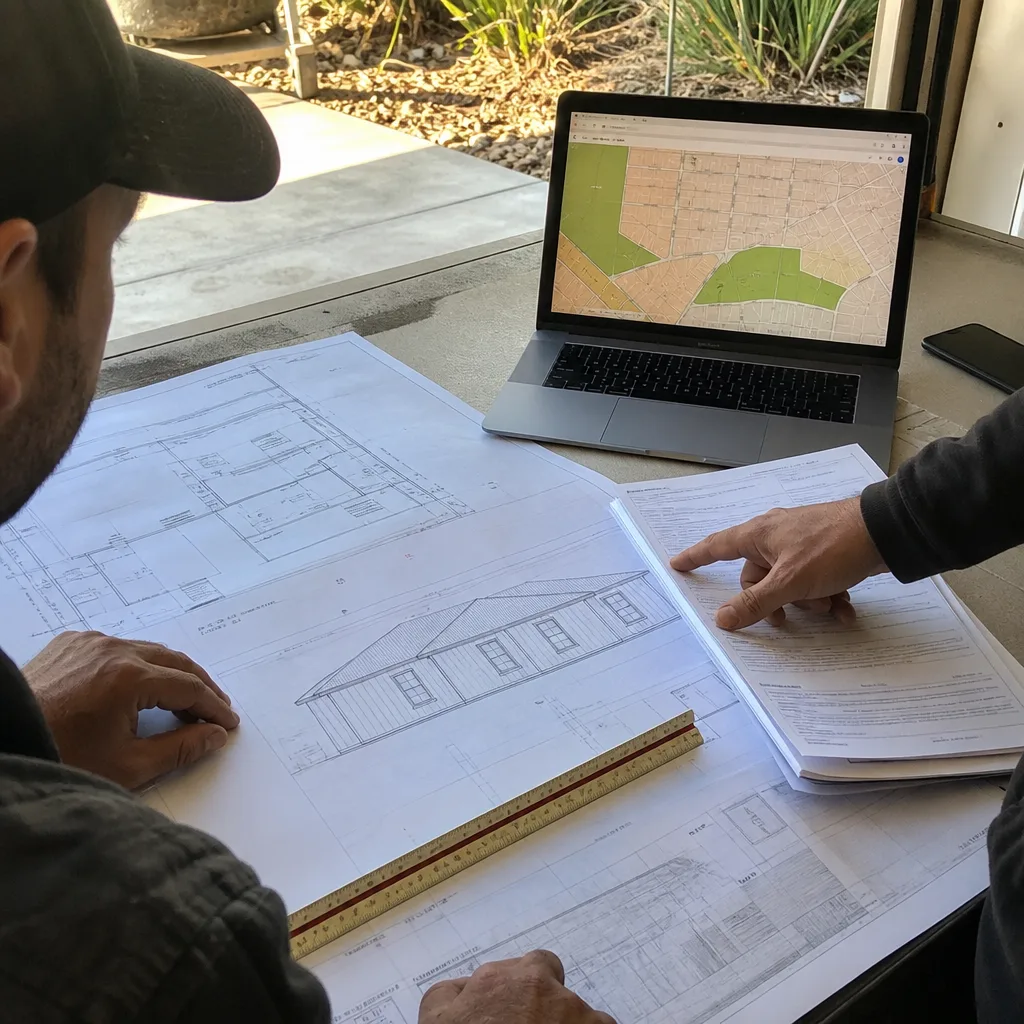
Here’s the counterintuitive fact that drives our maintenance protocol: the highest moisture intrusion risk for a Thousand Oaks ADU isn’t during a January storm. It’s in the 72 hours after the first significant rain following six months of drought.
Drought-shrunk soil pulls away from slab perimeters. Sealants cure harder and more brittle in dry heat. Flashing that expanded and contracted through summer settles into a compressed state. When rain finally arrives, water follows paths that didn’t exist in October - and because the soil is still hydrophobic from months of dryness, it runs rather than absorbs, concentrating at foundation lines.
Foundation Vent Clearance and Soil Settlement
After the final March rain (typically third week in Ventura County), wait 48-72 hours, then inspect:
- Walk the slab perimeter with a flashlight at a low angle - you’re looking for new gaps between soil and concrete, or soil that has visibly settled below the original grade
- Measure clearance at foundation vents - soil should sit 6-8 inches below vent openings; if it’s closer, regrade before spring growth hardens the soil profile
- Check for water staining on foundation walls, especially on the north and east exposures that dry slowest in Thousand Oaks’ sun pattern
- Photograph everything - our clients receive these in their documented photo record, dated and annotated
We’ve seen foundation vents buried by just 2 inches of accumulated mulch or eroded soil - enough to block airflow and create condensation conditions that support mold in crawl spaces. This is particularly common in Newbury Park and Westlake-adjacent parcels with steeper grades.
Flashing Inspection Points
Flashing is sheet metal or membrane material that directs water away from joints and penetrations. In Thousand Oaks ADUs, check these specific points in March:
- Roof-to-wall intersections on any ADU with a change in roof plane - common on L-shaped or bumped-out designs
- Window and door head flashing, visible as metal or membrane extending from under siding above the opening
- Deck-to-wall connections, where ledger flashing is the most common leak source we find in post-rain audits
- Chimney or vent pipe collars, especially on older garage conversions where original flashing may not meet current code
What you’re looking for: lifted edges, separated seams, corrosion spots, or gaps where caulk has failed. Don’t just look - gently probe with a putty knife. Sound flashing is firmly attached; compromised flashing moves or separates.
For ADU design and permitting in Thousand Oaks, we specify pan flashing at all window and door sills as standard - it’s not required by older code cycles but eliminates the most common leak path we document in March audits.
Slab Perimeter and Drainage
Thousand Oaks’ clay-heavy soils in Conejo Valley areas expand when wet and contract when dry. This seasonal cycling cracks slabs and separates perimeter waterproofing. In March, verify:
Downspouts discharge 6 feet from foundation or connect to underground drainage. Splash blocks alone aren’t sufficient where clay soils slow absorption. Walk the perimeter during a light rain if possible - you’re confirming water moves away, not pools.
On sloped lots in North Ranch or Lang Ranch areas, check that drainage swales remain clear and that ADU down-slope isn’t receiving concentrated flow from the primary residence’s roof area.
Summer HVAC Efficiency for Ductless Mini-Split Systems
Ductless mini-splits dominate Thousand Oaks ADU installations - they’re efficient, don’t require ductwork in tight spaces, and meet Title 24 requirements without complexity. But they’re also maintenance-sensitive in ways central systems aren’t, and Thousand Oaks’ summer pattern of cool mornings shifting to 90-degree afternoons stresses them uniquely.
Filter Interval
Standard fiberglass filters: every 30 days during June through October. Washable mesh filters: every 14 days, washed and fully dried before reinstall. The dust load in Thousand Oaks’ dry season is higher than coastal California - Santa Ana winds carry particulate that coastal cities don’t see.
We’ve documented compressor failures in two-year-old Mitsubishi and Daikin units caused entirely by restricted airflow from neglected filters. Replacement cost: $2,800-$4,200. Filter cost: $12-$35. The math is straightforward.
Condensate Line Check
Mini-splits produce condensate from indoor coil dehumidification. In Thousand Oaks, where relative humidity can spike briefly during marine layer intrusion then drop to 15%, condensate lines dry out and crack, or conversely, algae grows during humid periods then blocks lines when flow resumes.
Annual task: pour one cup of white vinegar through the condensate drain line to clear biological growth. Check the outdoor termination - it should drip visibly during cooling operation. No drip during a 90-degree afternoon means a blockage or pump failure.
Thermostat Calibration
Wall-mounted mini-split remotes drift. Verify calibration by placing a verified thermometer at the indoor unit’s return air grille. Discrepancies over 2 degrees indicate sensor drift or poor remote placement - common when remotes are mounted on walls that receive direct afternoon sun, which Thousand Oaks’ western exposures do intensely.
For ADUs using Abodu or Cover systems with integrated smart controls, calibration is typically handled through manufacturer apps, but the verification method remains the same: measure at the source, compare to displayed temperature, document the difference.
Annual Permit-Compliance Items That Double as Maintenance

Every ADU we’ve built since 2015 includes permit compliance documentation that doesn’t expire at certificate of occupancy. Annual verification protects your investment and satisfies conditions that some Thousand Oaks ADU permits carry. For details on what’s required, read ADU Permits, Codes & Inspections in CA: What You Need to Know.
Smoke Detector Testing Documentation
California requires interconnected smoke alarms in ADUs. Test monthly by pressing the test button; test annually with simulated smoke (aerosol test spray, $8-$12). Document the date and result. For battery backups, replace batteries annually regardless of chirp status - the low-battery warning often fails in units that sit vacant between tenant stays.
Photograph the test in progress and the detector’s manufacture date. Detectors over 10 years old require replacement, not just battery swap. We note manufacture dates in our final documentation package so clients don’t need to remove covers to check.
GFCI Outlet Verification
Kitchen and bath outlets in ADUs require GFCI (ground-fault circuit interrupter) protection. Test monthly using the test/reset buttons; verify trip time under 25 milliseconds with a GFCI tester ($15-$25) annually. Failed GFCIs don’t always fail visibly - the test button can feel functional while the protection circuit is dead.
In garage conversion ADUs, original garage circuits may not have GFCI protection at required points. If your conversion predates 2017 code updates, verify that kitchen counters, baths, laundry, and exterior outlets are all protected. Unpermitted electrical work discovered during sale or insurance claim is a $2,000-$8,000 remediation.
Egress Window Operation
Sleeping rooms require operable egress windows or doors. Annual check: open fully, verify no paint or swelling binds the operation, confirm screens are removable from inside without tools, and check that the required 5.7 square feet of clear opening is unobstructed. Document with dated photo.
We’ve found egress windows painted shut by well-meaning tenants, or blocked by furniture in furnished rentals. Both create code violation and liability exposure.
What Homeowners Can Document vs. When to Call a Licensed Contractor
Thousand Oaks permits ADU work under the California Building Code with Ventura County amendments. The line between homeowner maintenance and work requiring a licensed contractor isn’t always obvious, and crossing it unwittingly creates unpermitted work that complicates sale, insurance, and refinancing. Browse our more guides & resources for additional help navigating these requirements.
Homeowner-Appropriate Tasks
- Visual inspection and photography of all envelope elements
- Filter replacement, thermostat battery swap, condensate line flushing
- Defensible space vegetation management and debris removal
- GFCI and smoke detector testing with consumer-grade equipment
- Caulk application at interior gaps around windows and baseboards (not structural sealant replacement)
Licensed Contractor Required
- Roofing repair, flashing replacement, or sealant at roof-wall intersections
- Electrical panel work, circuit addition, or GFCI replacement where new wiring is involved
- Foundation repair, grading changes that alter drainage patterns, or structural attachment work
- HVAC refrigerant handling, compressor replacement, or duct modification
- Window or door replacement, including egress units
The specific trigger: if the work affects structural integrity, weather resistance, or life safety systems, and requires a permit under current Thousand Oaks/VC Code, use a licensed contractor. If you’re uncertain whether a permit applies, Ventura County Building and Safety will confirm by phone - we do this regularly during Ellery ADU Studio Thousand Oaks home project planning.
Under Haven Standard Clause 5 (No Surprises), our scope is locked at signing. We don’t upsell maintenance work during project execution, but we do flag observed conditions in our documented photo record so homeowners can schedule appropriate follow-up.
Year-Round Light Tasks: The Between-Season Schedule
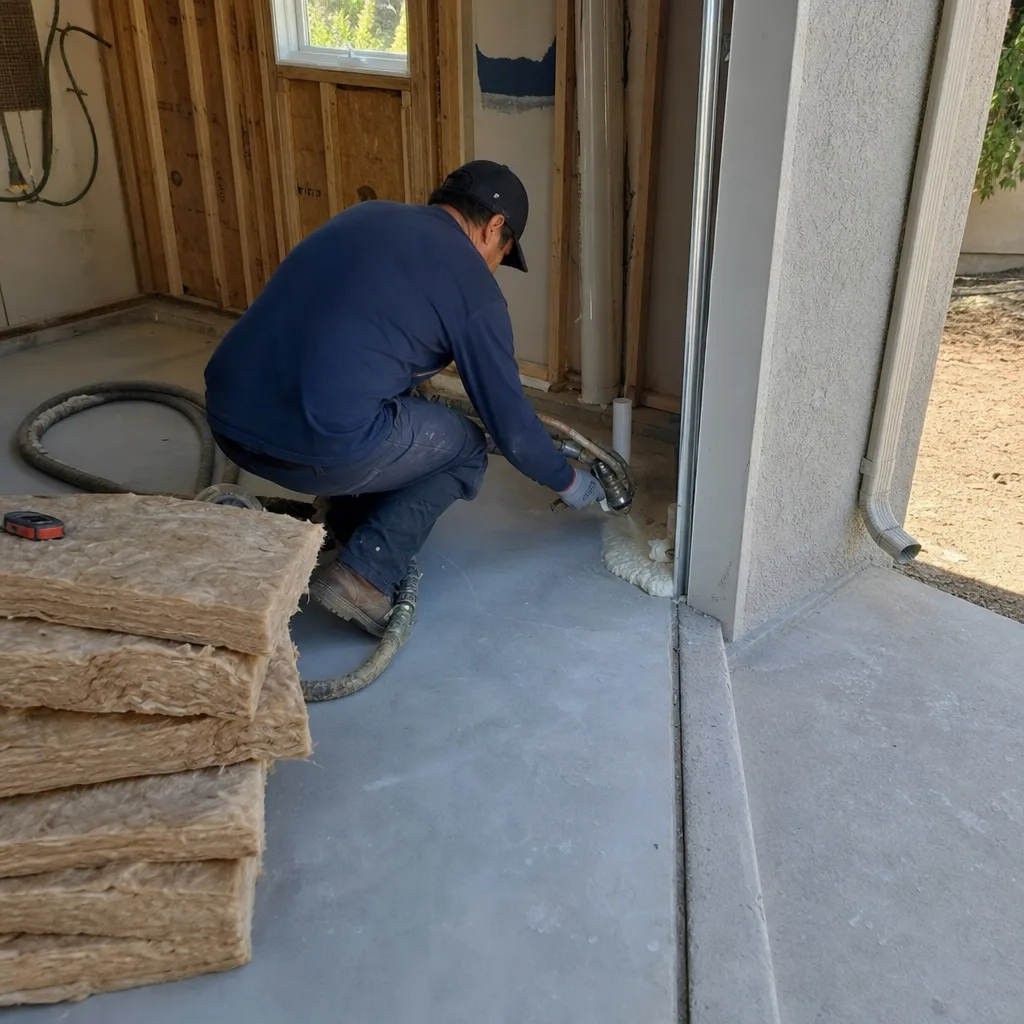
The October and March peaks handle critical inspection. These quarterly tasks maintain condition between peaks.
January-February (Rain Season)
- Monitor gutters and downspouts during storms; clear blockages within 48 hours
- Check interior walls and ceilings for new stains after each significant rain
- Verify exterior doors and windows seal against wind-driven rain
April-May (Spring Growth)
- Trim vegetation regrowth in defensible space zones
- Service HVAC before cooling season - professional coil cleaning and refrigerant check
- Inspect exterior paint or siding for winter damage; schedule touch-up before summer heat cures new paint too quickly
June-September (Dry Season)
- Maintain filter schedule rigorously
- Check exterior caulking at trim and penetrations - heat-driven expansion opens gaps that winter rain will exploit
- Monitor for pest intrusion - dry season drives rodents and insects to seek water and cooler temperatures
Prefab and Modular ADU Considerations
Ellery ADU Studio specifies and coordinates prefab and modular systems from Abodu, Cover, Dvele, Mighty Buildings, Boxabl, Plant Prefab, Tuff Shed, and James Hardie. These systems have specific maintenance profiles that differ from stick-built ADUs.
Abodu and Cover units arrive with manufacturer-specific maintenance schedules - typically more detailed than site-built equivalents because the envelope is factory-sealed and field modifications void warranty. We coordinate handoff documentation so clients receive both the manufacturer’s schedule and our Thousand Oaks-adapted supplement.
Tuff Shed conversions and similar accessory structures require particular attention at panel seams and manufactured joints, where thermal cycling in Thousand Oaks’ climate opens gaps that site-built structures don’t develop. Annual seam inspection with manufacturer-recommended sealant touch-up is essential.
James Hardie fiber-cement siding, common across our projects for fire resistance, requires repainting at 10-15 year intervals in Thousand Oaks’ UV exposure - sooner on south and west elevations. Caulked joints should be inspected annually; unlike wood, Hardie doesn’t telegraph moisture damage early, so prevention matters more.
For all prefab systems, verify that field-installed utilities - electrical service, sewer connection, gas line - maintain manufacturer warranty compliance. Unpermitted or non-compliant utility work can void the structural warranty even when the structure itself is sound.
Common Mistakes to Avoid
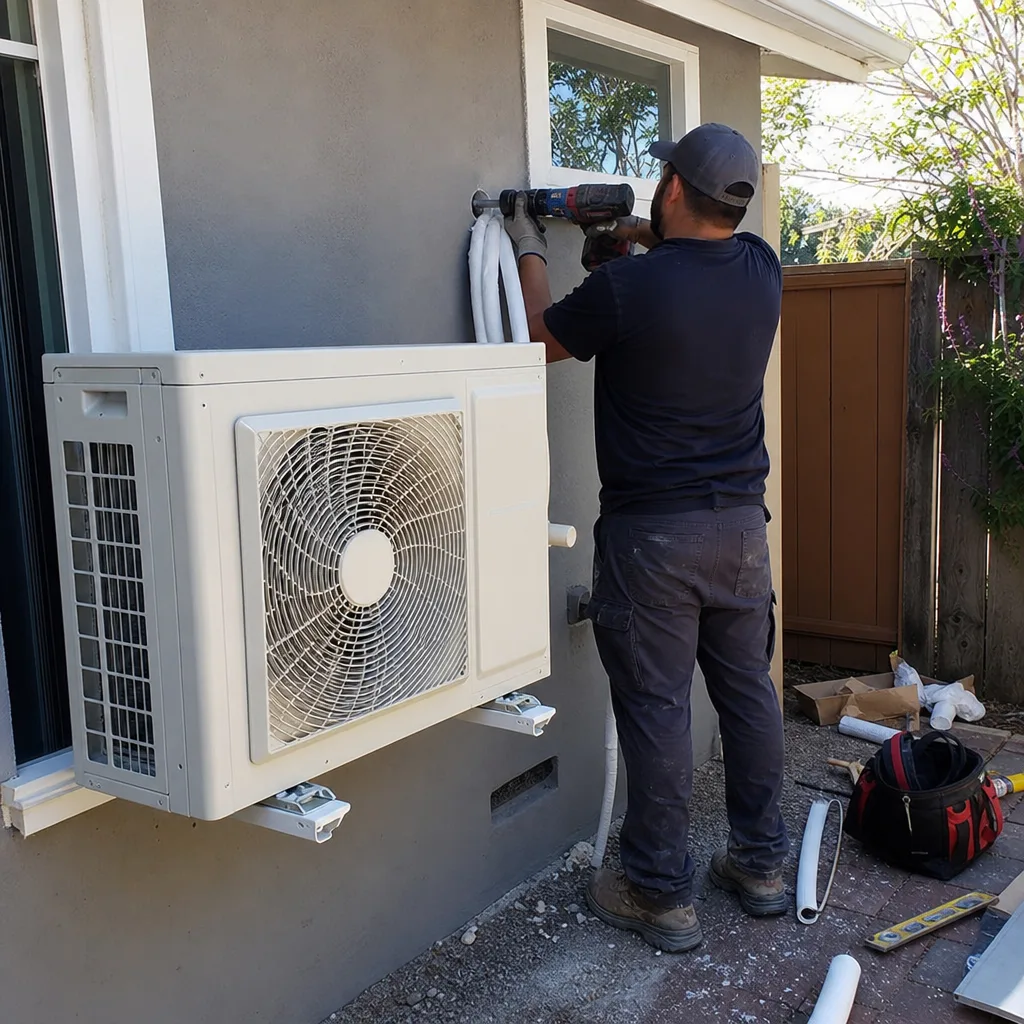
- Using a generic California maintenance checklist. Thousand Oaks’ compressed wet season and extended fire season create timing requirements that San Diego or Bay Area schedules miss entirely. The October and March windows are specific to this climate pattern.
- Ignoring the 72-hour post-first-rain window. We’ve documented more moisture damage from this specific condition than from all January storms combined. The checklist mentality - “I inspected in October, I’m fine” - fails here.
- Letting defensible space lapse until red flag warnings. By then, contractors are booked, vegetation is dry, and you’re competing with every other WUI-adjacent property owner. October completion is the standard our documented projects follow.
- Assuming prefab means maintenance-free. Factory precision doesn’t eliminate thermal cycling, UV degradation, or soil movement. Manufacturer maintenance schedules exist for specific reasons we’ve validated in field documentation.
- Skipping photo documentation. When you sell or refinance, the next inspector has no context for what “normal” looked like. Our clients receive dated, annotated photo records - not summaries, evidence.
- DIY electrical or roofing “maintenance” that becomes unpermitted work. The $200 you saved on a service call becomes a $4,000 disclosure issue at sale. Know the permit trigger and respect it.
- Deferring HVAC service until failure. Mini-split compressor replacement in a detached ADU requires refrigerant handling certification and often electrical work. The $180 preventive service avoids the $3,200 emergency replacement.
When to Call a Professional
Call a licensed contractor when you observe: water stains that expand between inspections, foundation cracks that widen seasonally, electrical devices that trip repeatedly or feel warm, HVAC systems that blow warm in cooling mode or fail to maintain setpoint, or any condition that affects structural integrity or life safety. Document first, then call - your dated photos help the contractor diagnose efficiently and protect your record.
For ADU-specific concerns - permit compliance questions, envelope performance evaluation, or coordination between design and construction trades - Ellery ADU Studio Thousand Oaks offers free estimates in Thousand Oaks. Call (424) 395-4555. We provide a written price before any work starts, per Haven Standard Clause 1, and a Free Second Opinion on any written estimate already in hand.
Frequently Asked Questions
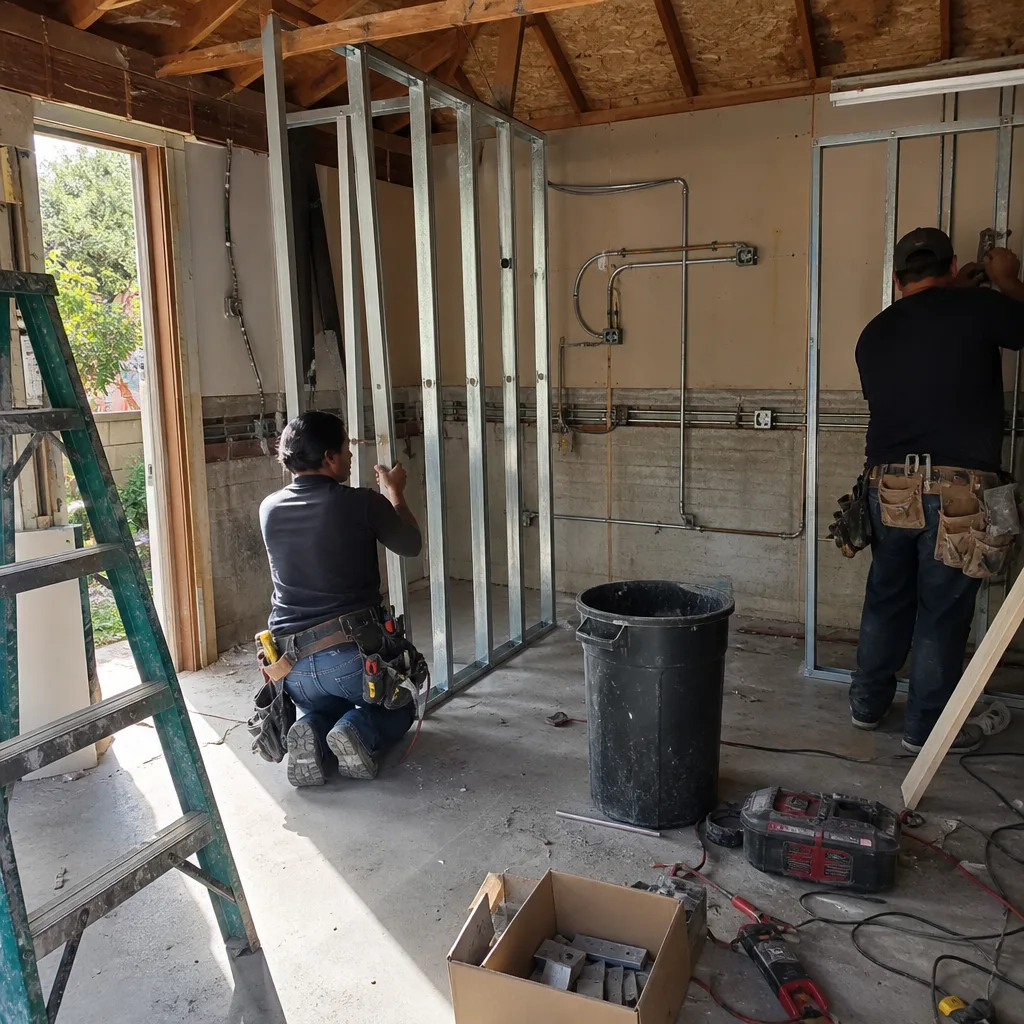
Annual preventive maintenance for a typical Thousand Oaks ADU runs $400-$900 if you handle homeowner-appropriate tasks and hire professionals for licensed work. This includes one HVAC service ($180-$280), one professional envelope inspection ($250-$450), and materials like filters, sealant, and test supplies ($50-$100). Deferred maintenance that leads to damage repair typically costs $3,000-$14,000. Call (424) 395-4555 for an exact assessment - estimates are free.
Roofing work including flashing replacement requires a permit under Ventura County Building Code when it affects weather resistance of the structure. Minor caulk touch-up at interior trim does not. If you’re uncertain whether your specific repair triggers permit requirements, Ventura County Building and Safety will confirm by phone. Unpermitted roofing work must be disclosed in real estate transactions and may affect insurance coverage.
Test monthly using the test button; verify annually with aerosol smoke test spray. Replace batteries annually regardless of chirp status, and replace the entire unit at 10 years from manufacture date. Document all testing with dated photos - this satisfies permit compliance conditions and protects against liability claims.
Foundation vent clearance buried by soil or mulch accumulation. It’s invisible from normal viewing angles, blocks ventilation that prevents condensation, and creates mold conditions that aren’t discovered until odor or visible growth appears. The March post-rain audit specifically addresses this - generic checklists rarely include it.
Under Haven Standard Clause 1, every project we undertake has a written price before work starts. For maintenance assessments, we provide a written scope and price for any recommended work - no door-side upsells, no scope creep. If conditions differ from what inspection revealed, we document with photos and provide a revised written scope before proceeding.
Thousand Oaks’ Wildland-Urban Interface designation requires ember-resistant construction on new ADUs and creates defensible space obligations that apply to all structures on the parcel. While maintenance of these features isn’t separately enforced on a schedule, failure to maintain them affects insurance coverage, liability exposure, and permit compliance. The October fire-hardening checklist in this guide addresses the specific requirements.
Yes. Vacant ADUs experience wider temperature swings, less air circulation, and delayed discovery of developing problems. Run HVAC briefly monthly to circulate air and exercise components. Check moisture-prone areas monthly rather than quarterly. Maintain the same fire-hardening schedule - vacant structures burn identically to occupied ones, and insurance claims face additional scrutiny when vacancy is a factor.
The Bottom Line
Thousand Oaks ADU maintenance isn’t about frequency - it’s about timing. The October fire-hardening window and March post-rain envelope audit handle 80% of annual risk in two focused efforts. Between those peaks, disciplined filter changes, quarterly documentation, and knowing which tasks require licensed contractors keeps maintenance costs predictable and prevents the deferred-damage repairs that destroy ADU ROI. The specific climate pattern here - six dry months, six wet weeks, then fire season - demands a schedule built for this place, not a generic California template.
Written by Nadia Ellery, Owner at Ellery ADU Studio Thousand Oaks, serving Thousand Oaks since 2015.