
Last updated September 25, 2026
ADU Design & Permitting Maintenance Checklist for Thousand Oaks Homeowners
Most homeowners in Thousand Oaks treat their ADU permit file like a birth certificate: filed once, then forgotten. That’s a costly mistake. In our experience reviewing inherited permit files across Ventura County, roughly one in three ADU properties coming to market within five years of completion has a documentation gap that delays or derails escrow - not because the structure failed, but because a sign-off sheet went missing or a revised plan was never re-submitted. This guide - along with our ADU Warning Signs: A Thousand Oaks Homeowner’s Reference Guide - walks you through what to maintain, when to update it, and how to audit a file before you buy or sell.
Quick Answer
An ADU permit file in Thousand Oaks requires active maintenance across four phases: pre-design zoning verification, permit submission with Ventura County supplemental forms, construction milestone sign-offs, and post-certificate of occupancy documentation including owner-occupancy affidavits and smoke/CO detector certifications. Homeowners who treat the permit set as a living record - not a one-time deliverable - avoid title and insurance problems that surface years later, as detailed in our ADU Permits, Codes & Inspections in CA: What You Need to Know.
Table of Contents

- Pre-Design: Zoning Verification & Property Records
- Permit Submission: Thousand Oaks Forms & Ventura County Requirements
- Active Construction: Inspection Milestones & Sign-Off Retention
- Post-Certificate of Occupancy: Ongoing Compliance Documentation
- How to Audit an Inherited ADU Permit File
- Post-Occupancy Maintenance Items That Affect Permit Status
- Common Mistakes to Avoid
- When to Call a Professional
- Frequently Asked Questions
- The Bottom Line
Pre-Design: Zoning Verification & Property Records
Before any line is drawn, the permit clock starts with property-specific records that expire or change. Thousand Oaks operates under the Ventura County Zoning Ordinance with city-specific amendments, and the base zoning layer you see on public GIS viewers is not always the binding layer for ADU development.
Here’s what to verify and retain:
- Confirm the underlying zone and any overlay districts. Thousand Oaks has multiple specific plan areas - North Ranch, Westlake Village sphere of influence, and various hillside and open-space overlays - that impose setbacks, height limits, or design review requirements beyond standard R-1 or R-2 zoning. Request a written zoning confirmation from the Thousand Oaks Community Development Department; screen captures of online maps are not defensible in a later dispute.
- Pull the tract map and recorded easements. Utility easements, slope easements, and private road agreements recorded in the 1960s and 1970s still govern properties in neighborhoods like Lang Ranch and Conejo Oaks. These documents determine whether your ADU can legally occupy the location you’ve selected. We keep copies of every easement we uncover in the client’s permanent project file.
- Document the existing primary dwelling’s permitted square footage and bedroom count. State ADU law uses these figures to calculate maximum ADU size. If your primary dwelling was expanded without permit updates, the city’s records may understate the legal square footage and cap your ADU below what you expect. Cross-check the assessor’s records against the last approved building permit set.
- Photograph the existing conditions with date stamps. Mature oak trees, retaining walls, and drainage patterns in Thousand Oaks hillside neighborhoods often trigger additional review under the city’s tree preservation and grading ordinances. A photo record from day one protects against later claims that a protected specimen was disturbed.
- Request a pre-application meeting with the city. Thousand Oaks offers this at no cost. The written response becomes part of your administrative record and can be cited if a planner later interprets code differently.
In our work on ADU Design & Permitting in Thousand Oaks, we’ve seen projects stall for months because a homeowner relied on a neighbor’s advice about setback rules that changed in 2020. The written pre-application response eliminates that risk.
Permit Submission: Thousand Oaks Forms & Ventura County Requirements
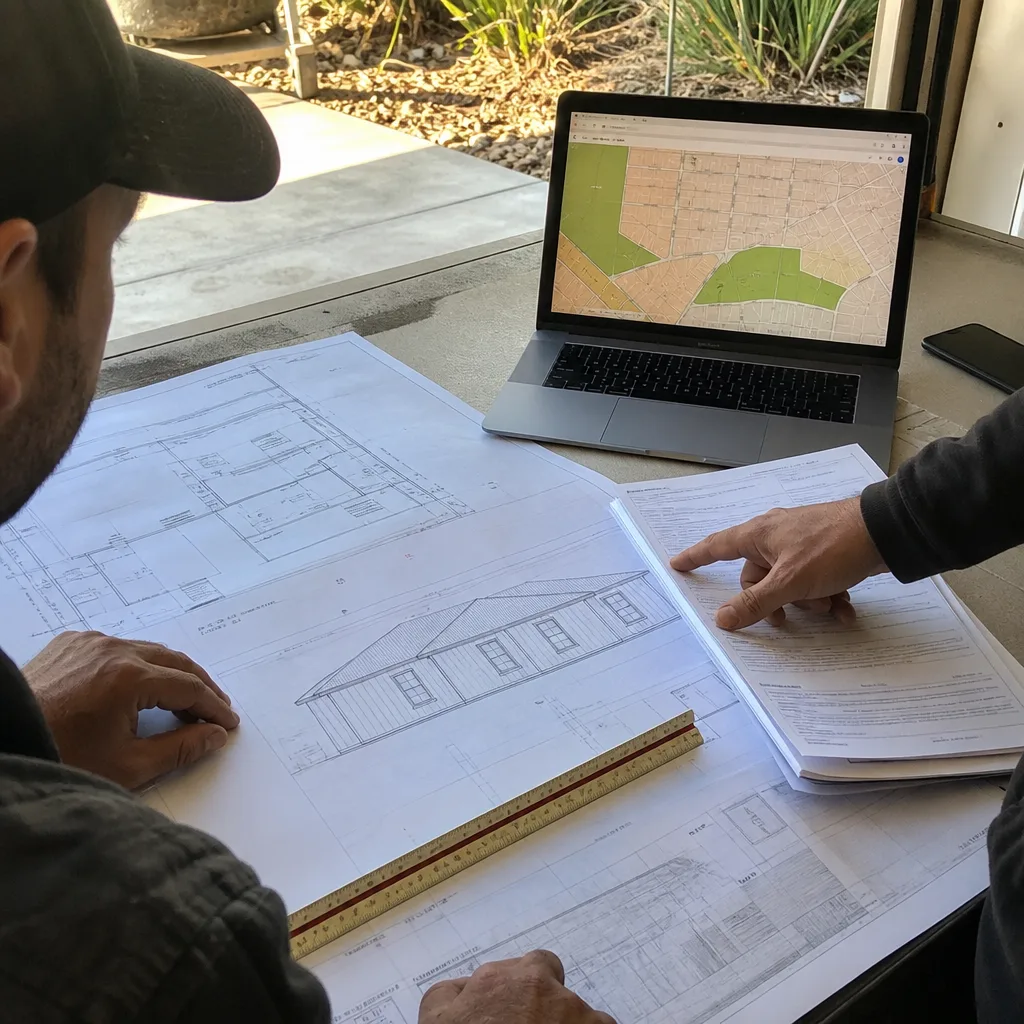
Thousand Oaks processes ADU permits through a dual-track system: city building and planning review for compliance with local standards, plus Ventura County supplemental requirements for fire, environmental health, and - in unincorporated pockets or specific plan areas - additional layers.
The permit submission package is not complete until these specific items are in the file:
- Thousand Oaks ADU Permit Application (Building Division) with the property address, legal description matching the tract map, and owner signature matching the recorded title.
- State Standard ADU Application Form (HCD-compliant) with the local jurisdiction supplemental sheet. Thousand Oaks requires this even for conversions, not just new detached units.
- Ventura County Fire Department clearance for properties in State Responsibility Areas or Local Responsibility Areas with moderate to high fire hazard severity. Most of Thousand Oaks west of the 23 freeway falls into this category. The clearance letter has a 180-day validity; if your permit issuance slips beyond that, you must re-apply.
- Septic or sewer connection verification from Ventura County Environmental Health Division if the property is not on city sewer. Thousand Oaks has pockets of septic dependency in the northern hills, and the county maintains separate approval authority.
- Water meter sizing confirmation from California American Water or the relevant mutual water company. An ADU typically triggers a meter upgrade or dual-meter requirement; the utility’s written confirmation of available capacity must accompany the permit application.
- Energy Code Compliance documentation (Title 24, Part 6) prepared by a certified energy analyst. Thousand Oaks enforces the current code cycle strictly; prescriptive packages are rarely accepted for ADUs over 500 square feet.
- Stormwater Pollution Prevention Plan (SWPPP) for new detached ADUs or garage conversions with significant grading. The Conejo Valley’s clay soils and winter storm patterns make erosion control a consistent focus of city inspection.
Once submitted, request a permit tracking number and the planner’s direct contact. The city’s online permit portal updates lag by 24-48 hours; direct communication prevents surprises.
For homeowners considering prefab or modular systems, the permit submission includes additional manufacturer documentation. We’ve coordinated New Detached ADU in Thousand Oaks projects using Dvele and Mighty Buildings systems, and the permit file must include the ICC-ES evaluation report, California Department of Housing and Community Development insignia, and the manufacturer’s installation manual stamped for the specific site conditions.
Active Construction: Inspection Milestones & Sign-Off Retention
Construction generates paper - or its digital equivalent - at every inspection. The City of Thousand Oaks records inspection results in its internal database, but homeowners should not rely on city retention policies for their own legal protection.
Here’s the chronological checklist we use with every Garage Conversion ADU in Thousand Oaks and new detached project:
- Foundation/Slab Inspection: Retain the approved foundation plan with the inspector’s sign-off. For garage conversions, this confirms the existing slab’s compliance with habitable space requirements - a common point of dispute in later sales. The inspector notes any supplemental steel or thickened edge; if that notation is missing from your file, future buyers’ inspectors may flag it.
- Under-Floor/Under-Slab (UF/US) Inspection: For new detached ADUs, this covers plumbing rough-in and electrical conduit before concrete pour. Photograph every pipe and conduit location; we provide these photos to clients as part of our documented photo record on every visit, per Haven Standard Clause 3.
- Framing Inspection: The approved framing plan with inspector sign-off is critical. Any field modifications - header size changes, stud spacing adjustments for window locations - must be noted on the plan and re-approved. Thousand Oaks requires structural observations by a California-licensed engineer for certain hillside and two-story conditions; retain that letter separately.
- Plumbing Rough-In: The inspector signs off on water supply, drainage, and venting. For ADUs with tankless water heaters (common in Thousand Oaks given gas line constraints and Title 24 requirements), confirm the gas pipe sizing or electrical service upgrade is included in this sign-off.
- Electical Rough-In: Panel location, circuit labeling, and AFCI/GFCI protection verification. Thousand Oaks enforces the current NEC cycle with local amendments; the signed rough-in card proves compliance at that snapshot in time.
- Mechanical/HVAC Rough-In: Duct sealing, combustion air, and - increasingly - heat pump water heater and mini-split documentation. The Conejo Valley’s warm summers and mild winters make heat pump systems the default for new ADUs; the inspector verifies the equipment matches the Title 24 compliance documentation.
- Insulation Inspection: Type, R-value, and installation quality. Thousand Oaks requires photos of insulation before drywall in certain specific plan areas; these should be in your file.
- Drywall/Nail Inspection: Often overlooked, but this inspection confirms fire-rated assemblies between ADU and garage (in conversions) or property line setbacks (in detached units). The sign-off matters for insurance and resale.
- Final Building Inspection: The certificate of occupancy or final approval letter. This is not automatically mailed; request it in writing and retain the original.
- Final Fire Inspection: Separate from building final in Ventura County jurisdictions. Confirms smoke/CO detector placement, egress window operation, and - for ADUs over certain sizes - fire sprinkler compliance.
What the city retains versus what you must keep: Thousand Oaks maintains inspection records in its Accela permit management system for a minimum of ten years, but the system does not store field notes, photo documentation, or revised plans submitted during construction. The homeowner’s file must include these. Under Haven Standard Clause 3, we deliver a complete digital and physical file at project closeout, including every photo from every visit.
Post-Certificate of Occupancy: Ongoing Compliance Documentation

The certificate of occupancy (CO) is not the finish line. Several Thousand Oaks and Ventura County requirements carry forward with ongoing obligations that affect title, insurance, and rental legality.
Owner-Occupancy Affidavit: ADUs permitted under certain Thousand Oaks ordinances from 2017-2021 required a recorded owner-occupancy affidavit as a condition of approval. These were typically five-year terms. If you purchased a property with an ADU permitted in this window, verify whether the affidavit was recorded, whether the term has expired, and whether a release was filed. An unreleased affidavit can cloud title.
Smoke and Carbon Monoxide Detector Certification: California Health and Safety Code Section 13113.8 requires landlord certification of operable smoke and CO detectors at tenancy commencement and annually thereafter. Thousand Oaks does not enforce this at the property level unless complaint-driven, but insurance claims after an incident will request this documentation. We recommend retaining annual test records with detector model numbers and battery replacement dates.
Utility Account Separation: If your ADU has a separate electric or gas meter, the utility’s account records must match the permitted unit address. Mismatches between the assessor’s parcel number, the building permit address, and the utility account address create confusion in escrow. Request a service confirmation letter from each utility and file it with your CO.
Septic System Inspection (if applicable): Ventura County Environmental Health requires pumping and inspection every three to five years for septic systems serving ADUs. The pumper’s report becomes part of your compliance file.
Tree Preservation Bond Release: If your permit required a tree preservation bond or replacement planting, Thousand Oaks releases this only upon verified compliance, typically one growing season after planting. The release letter must be recorded or retained with your title documents.
How to Audit an Inherited ADU Permit File
Buying a Thousand Oaks property with an existing ADU? The seller’s disclosures rarely include complete permit documentation. Here’s the systematic audit we perform when clients request a Ellery ADU Studio Thousand Oaks home pre-purchase review:
- Request a permit history printout from Thousand Oaks Community Development. This shows all permits pulled, their status, and any open violations. Cost is minimal; turnaround is typically 3-5 business days.
- Match the physical structure to the approved plans. We measure the ADU footprint, ceiling height, window sizes, and egress locations against the last approved plan set. Common discrepancies: unpermitted patio enclosures converted to living space, bathroom additions beyond the approved plumbing fixture count, or second-story additions never submitted for review.
- Verify the CO matches the current use. A CO for “storage” or “garage” with a kitchen and bathroom installed indicates unpermitted conversion. This affects insurability and financing; most lenders will not fund a property with unpermitted living space.
- Check for open fire department clearances or environmental health holds. These do not always appear on standard title reports but will surface in a thorough permit audit.
- Review the assessor’s records for square footage and unit count. If the ADU was completed but never added to the assessor’s roll, property taxes may be subject to reassessment - and you, as the new owner, may bear that adjustment.
- Confirm utility service capacity and account status. An ADU drawing power from the main dwelling’s panel without a submeter or separate service agreement creates both code and landlord-tenant issues.
Our Free Second Opinion service includes this audit for any written estimate or inspection report already in hand. We’ve found unpermitted electrical panels, uncapped septic systems, and missing fire separations that would have cost new owners $15,000-$40,000 to remediate.
Post-Occupancy Maintenance Items That Affect Permit Status
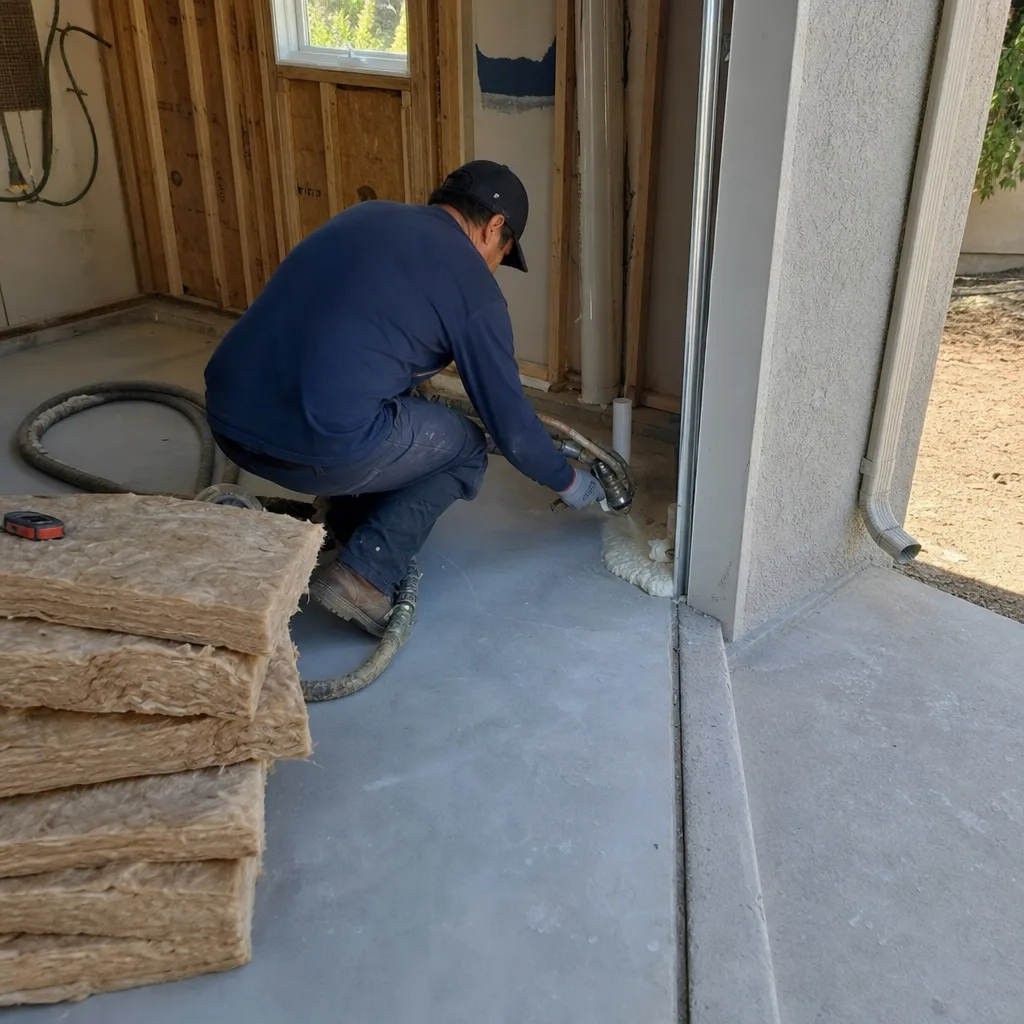
Routine maintenance on an ADU is not just about habitability. Several systems directly affect the permit compliance status that a future buyer, lender, or insurer will examine.
Egress Windows and Doors: Thousand Oaks requires operable egress windows in sleeping rooms and one exterior door with direct access. Window replacements that reduce opening size, or security bars without quick-release mechanisms, void the original approval. Retain the manufacturer’s specification sheet for any replacement window to prove equivalent egress.
Electrical Panel and Service: Panel upgrades, subpanel additions, or EV charger installations require permits if they alter the service capacity or load calculations. Unpermitted electrical work is a standard exclusion in homeowner’s policies and a red flag in pre-sale inspections.
HVAC Replacements: New heat pump or mini-split installations must match or improve upon the Title 24 compliance of the original system. The replacement equipment’s HSPF and SEER ratings should be documented and filed with your maintenance records.
Structural Modifications: Removing a wall to open up the ADU layout, adding a deck, or underpinning a foundation for a room addition all trigger new permit requirements. The original ADU permit does not cover these; a separate permit with its own inspection sequence is required.
Drainage and Grading: Thousand Oaks hillside properties are particularly sensitive to altered drainage patterns. Re-grading for landscaping, driveway expansion, or drainage “improvements” that redirect water onto neighboring properties can trigger code enforcement regardless of the ADU’s original permit status.
For homeowners with prefab systems like Boxabl or Plant Prefab units, manufacturer-specific maintenance protocols also apply. The ICC-ES report and installation manual include inspection intervals for structural connections, weatherproofing, and utility penetrations. These are not city requirements but are referenced in the permit approval conditions.
Common Mistakes to Avoid
- Relying on the contractor to retain all records. Contractors go out of business, merge, or lose files. Under Haven Standard Clause 3, we deliver the complete file to the client at closeout - but if you worked with another firm, request your file in writing before the warranty period expires.
- Accepting a certificate of completion instead of a certificate of occupancy. In Thousand Oaks, a certificate of completion indicates work is done but does not authorize occupancy. Only the CO - or its equivalent final approval letter - establishes legal use.
- Failing to update the permit file for design revisions. Field changes to window locations, door swings, or structural members require revised plans submitted and approved before the corresponding inspection. Post-hoc approvals are possible but costly and delay-prone.
- Ignoring the owner-occupancy affidavit expiration. Affidavits recorded in 2018-2020 are now expiring. If you plan to sell or convert the ADU to a full rental, verify the affidavit has been released or is no longer binding.
- Assuming Ventura County records are identical to Thousand Oaks records. Fire clearance, septic approval, and certain environmental health documents are county-maintained. A clean city permit file may still have open county items.
- Not photographing conditions before and after each inspection. Disputes about whether a condition existed before or after an inspector’s visit are resolved with evidence, not recollection. Our documented photo record on every visit exists precisely for this scenario.
- Treating prefab ADU documentation as interchangeable with site-built. Modular and prefab systems have manufacturer-specific warranty, maintenance, and permit conditions that do not map directly to conventional construction. File these separately and reference them in any future sale disclosure.
When to Call a Professional
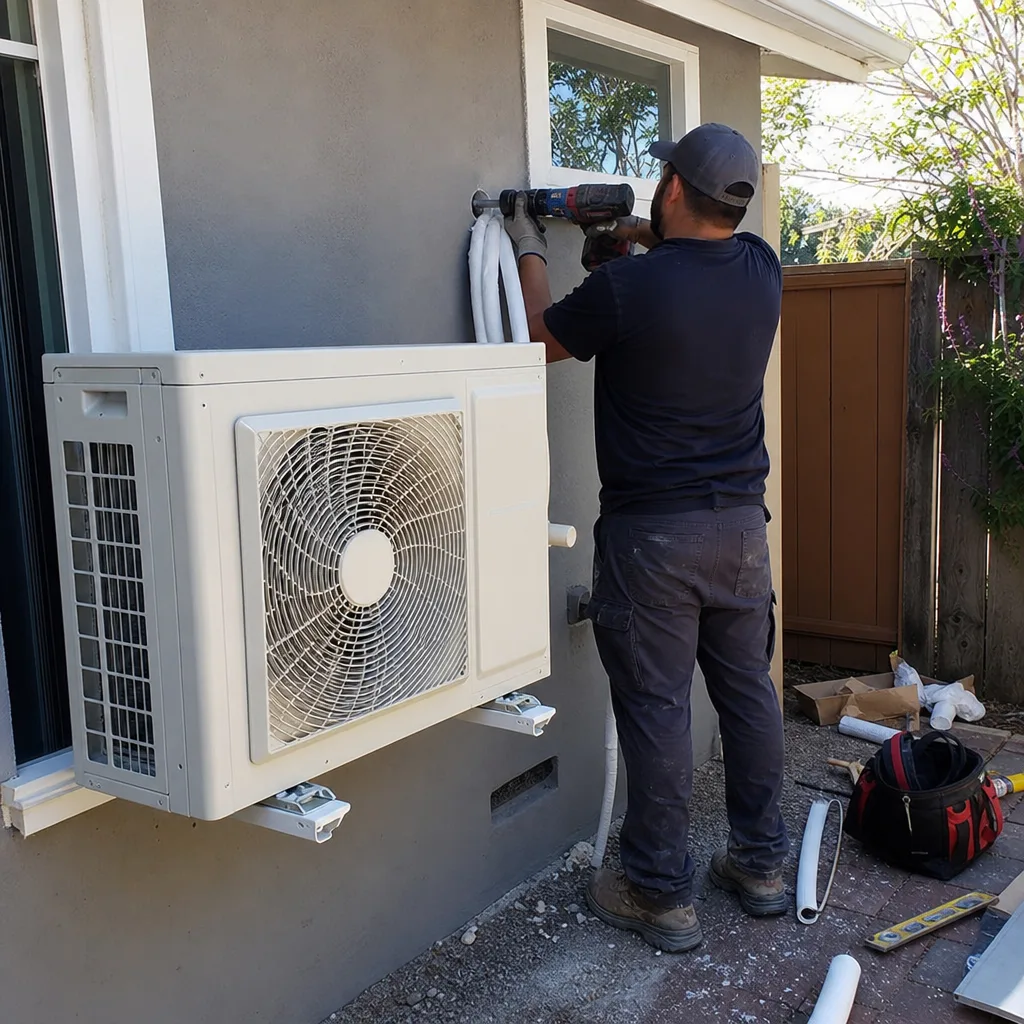
Call a ADU Design & Permitting studio when the permit file has gaps you cannot close with city records, when the physical structure does not match the approved plans, or when you are purchasing a property and need an independent audit of ADU compliance before removing contingencies. These are not DIY determinations; the cost of error is measured in delayed escrow, uninsurable structures, or forced remediation.
Ellery ADU Studio Thousand Oaks offers free estimates in Thousand Oaks - call (424) 395-4555. We also provide a Free Second Opinion on any written estimate or inspection report already in hand, and we answer calls with a live person 24/7.
Frequently Asked Questions
The city maintains permit records in its Accela system for a minimum of ten years, but field notes, revised plans, and photo documentation are not reliably stored beyond the active construction period. Retain your own complete file indefinitely. Call (424) 395-4555 if you need help reconstructing a lost file - estimates are free.
Yes, but with complications. Title companies may require a permit bond, additional inspection, or seller affidavit indemnifying the buyer for unpermitted conditions. In Ventura County, some insurers decline coverage for structures with open permit items. Completing the file before listing prevents these contingencies. We audit inherited files regularly - call for a Free Second Opinion.
Ventura County Fire Department clearance, septic or sewer connection approval through Environmental Health, and certain hillside grading permits operate outside city jurisdiction. The county’s 180-day fire clearance validity is the most common timing constraint we see missed. Verify county items separately from city permit status.
Yes, if the replacement alters capacity, fuel type, or energy compliance tier. A like-for-like swap (same capacity, same fuel, equivalent efficiency) typically does not require permit, but documentation of the original and replacement specifications protects you in any future dispute. We document all equipment changes for our clients under the 365-Day Done Right Promise.
Request a title search or permit history from Thousand Oaks Community Development. Affidavits recorded 2017-2021 typically appear as a separate document in the chain of title. If found, verify whether a release was recorded; if not, consult a real estate attorney or call us for guidance on remediation. Call (424) 395-4555 - estimates are free.
Request the complete permit file including all inspection sign-offs, the certificate of occupancy, any owner-occupancy affidavits and releases, utility account confirmation letters, and manufacturer documentation for any prefab or modular system. If the seller cannot produce these, budget for a professional audit before closing. We perform these audits routinely; a Free Second Opinion is available on any inspection report in hand.
The Bottom Line
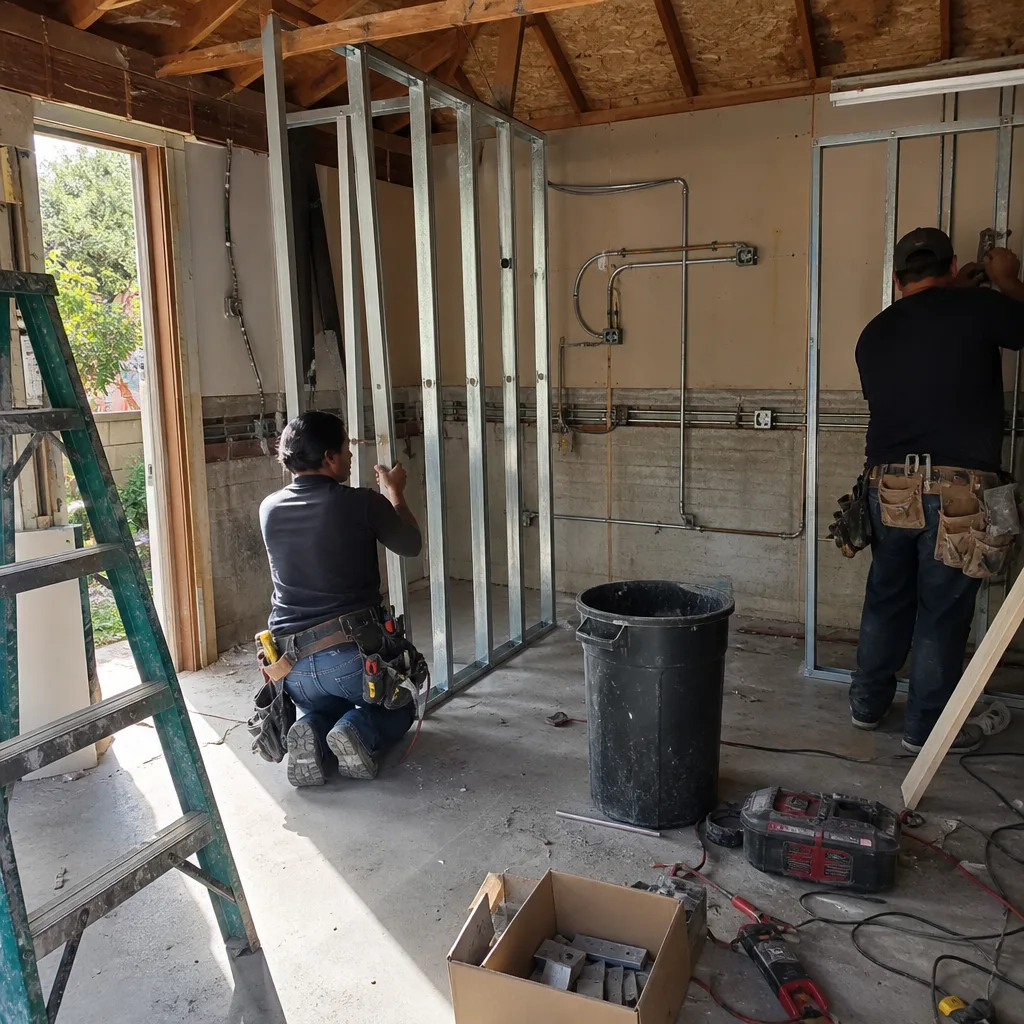
An ADU permit in Thousand Oaks is a living document, not a historical artifact. The homeowners who avoid title problems, insurance disputes, and sale delays are those who maintain their files through every phase - pre-design verification, dual-track city and county submission, inspection milestone documentation, and post-occupancy compliance tracking. The investment is organizational, not financial: a few hours of attention at each phase saves weeks of remediation later. If your current file has gaps, or if you’re evaluating a property with an ADU you didn’t build, an independent audit is the fastest path to certainty. Explore our more guides & resources for additional help.
Call (424) 395-4555 to schedule your free estimate. Written price before any work starts, per Haven Standard Clause 1. Documented photo record on every visit. A live person answers 24/7.
Written by Nadia Ellery, Owner at Ellery ADU Studio Thousand Oaks, serving Thousand Oaks since 2015.